
Tag: Entrepreneurship

  • How to Open a Company in UK as an Expat: A Simple Guide to Getting Started

    How to Open a Company in UK as an Expat: A Simple Guide to Getting Started

    Starting Your British Journey

    So, you have a killer business idea and you want to bring it to the Land of Hope and Glory? That is awesome! Knowing how to open a company in UK as an expat might seem like a daunting task with all the paperwork and legal jargon, but honestly, it is way simpler than you might think. Whether you are living in London or still planning your move from abroad, the UK offers a super friendly environment for entrepreneurs from all over the world.

    Step 1: Choose Your Business Structure

    First things first, you need to decide how you want to run things. Most expats go for a Private Limited Company because it keeps your personal finances separate from your business. This is great for protecting your assets! Alternatively, you could register as a Sole Trader if you are working alone, though this means you are personally responsible for any business debts. If you are looking for the most professional image, a limited company is usually the way to go when figuring out how to open a company in UK as an expat.

    A diverse young professional entrepreneur sitting in a bright, modern London co-working space, looking focused while working on a silver laptop, with a blurred view of the Gherkin building in the background, photorealistic style, 8k resolution

    Step 2: Register with Companies House

    This is where it gets official. To register a limited company, you will need to deal with Companies House. The cool part? You do not actually have to be a UK resident to be a director. However, you do need a UK registered office address. If you are not living in the UK yet, many service providers offer virtual office addresses that you can use for this exact purpose. During registration, you will need to provide:

    • A unique name for your company that isn’t already taken.
    • At least one director (that is you!).
    • At least one shareholder.
    • Articles of Association, which are basically the rules of how the company is run.

    Step 3: Handling Visas and Banking

    While anyone can technically own a UK company, actually working there is a different story. You will likely need a visa, such as the Innovator Founder visa or a Skilled Worker visa, if you plan to manage your business from within the UK. Another hurdle when learning how to open a company in UK as an expat is the bank account. Traditional high-street banks can be a bit strict with non-residents, so many founders look into digital-first banks like Tide, Monzo, or Revolut Business which are often much more expat-friendly.
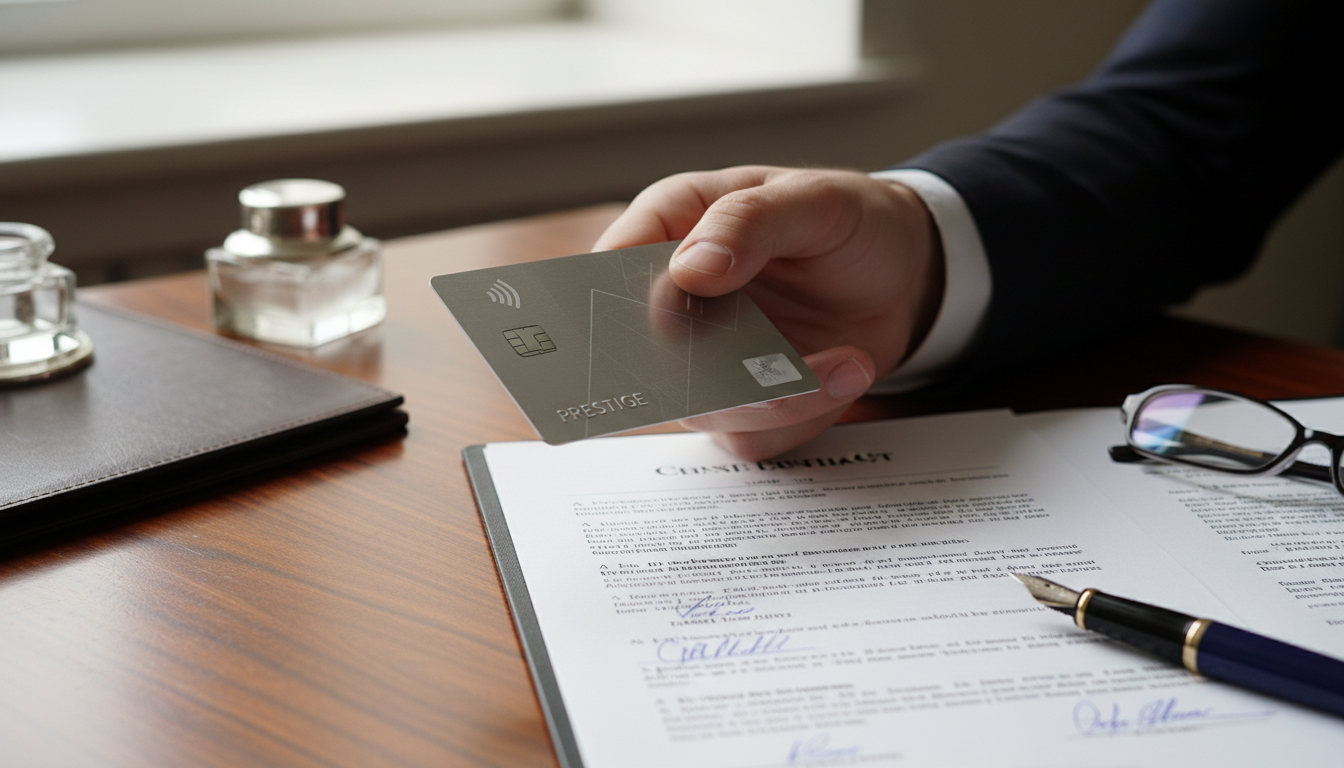
    A high-end, close-up shot of a business person's hand holding a sleek metal business credit card over a mahogany desk, with a professional British business contract and a fountain pen nearby, soft natural lighting, high detail

    Step 4: Register for Taxes

    Once your company is up and running, you must tell HM Revenue and Customs (HMRC). You will need to register for Corporation Tax within three months of starting to trade. If you expect your annual turnover to be more than £90,000, you also need to register for VAT. It sounds like a lot, but staying organized from day one will make your life much easier when the tax season rolls around.

    Ready to Launch?

    The UK is a fantastic place to grow a brand. Now that you know how to open a company in UK as an expat, the only thing left to do is take that first step. Whether you are aiming for the tech hubs of London or the creative blocks of Manchester, your entrepreneurial journey starts with a single registration. Good luck!


  • 7 Exciting Business Opportunities in UK for Expats Looking for Success

    7 Exciting Business Opportunities in UK for Expats Looking for Success

    Why You Should Consider Business Opportunities in UK for Expats

    So, you have landed in the United Kingdom and you are thinking about more than just a traditional 9-to-5 job? You are not alone! There are countless Business opportunities in UK for expats that can turn your entrepreneurial dream into a profitable reality. The UK is a global hub for innovation, finance, and international trade, making it a fantastic playground for founders from all over the world.

    Whether you are settling in London, Manchester, or Edinburgh, the business climate here is incredibly welcoming to newcomers. With a robust legal system, world-class infrastructure, and a highly skilled workforce, the potential for growth is massive for anyone willing to put in the work. Let us dive into some of the most promising niches you can explore right now.

    [IMAGE_PROMPT: A diverse group of young professional entrepreneurs having a casual meeting in a modern, sunlit London co-working space with large windows overlooking the city skyline, photorealistic style, 8k resolution, cinematic lighting]

    1. Tech and Software Development

    If you have a background in coding or IT, you are in luck. The UK tech scene is currently booming. From fintech startups to healthtech innovations, there is a constant and growing demand for digital solutions. Starting a software consultancy or a specialized tech agency is one of the top Business opportunities in UK for expats who possess technical expertise and a vision for the future.

    2. E-commerce and Niche Retail

    With more people shopping online than ever before, e-commerce remains a literal goldmine in the British market. As an expat, you have a unique advantage: you can specialize in selling products from your home country that are not easily available in local UK shops. This unique cultural angle often helps expats carve out a loyal and niche customer base very quickly.

    Why E-commerce Works Well for Expats:

    • Low overhead costs if you choose to start from a home-based office.
    • Direct access to a massive and tech-savvy international market.
    • User-friendly digital platforms like Shopify and Amazon UK simplify the logistics.
    A high-quality photo of a small, tidy boutique warehouse in the UK where a professional expat business owner is carefully packing high-end organic products into eco-friendly boxes, soft natural lighting, professional and clean atmosphere

    3. Professional Consulting Services

    Do you have years of experience in finance, global marketing, or human resources? Many UK-based companies look for external experts to help them scale their operations. Your international perspective as an expat is a massive asset. It allows you to offer cross-cultural insights and global strategies that local consultants might miss, making this one of the most flexible Business opportunities in UK for expats.

    4. The Food and Hospitality Sector

    The British public absolutely loves trying new and authentic cuisines! If you can bring genuine flavors from your home culture to the table, opening a boutique cafe, a specialty bakery, or a street-food truck is among the most rewarding ventures. It is all about finding that perfect high-footfall location and offering a taste experience that locals cannot find anywhere else.

    Essential Steps to Get Started

    Before you jump in, it is vital to ensure you have the correct visa, such as the Innovator Founder visa. Networking is also a major key to success in the UK—join local business hubs and attend industry meetups to connect with like-minded individuals. The UK business ecosystem thrives on collaboration and community support.

    Wrapping Up

    Exploring various Business opportunities in UK for expats might seem a bit daunting at first, but with the right mindset and a bit of local research, the rewards can be incredible. The UK market is diverse, resilient, and always ready for the next big idea. So, what are you waiting for? Start planning your UK venture today and make your mark on the British business landscape!

  • How to Register a Business in UK as a Non-Resident: Your Easy Guide to Going Global

    Ever dreamed of expanding your entrepreneurial horizons to the United Kingdom without actually moving there? Well, you are in luck! You can definitely Register a business in UK as a non-resident, and the process is surprisingly straightforward. Whether you are living in the US, Europe, Asia, or anywhere else, the UK offers a welcoming environment for international founders.

    Why Register a Business in UK as a Non-Resident?

    The UK is a powerhouse for business. By choosing to Register a business in UK as a non-resident, you gain access to a world-class financial system, a massive consumer market, and a business-friendly legal framework. Plus, having a “Limited” (Ltd) company in the UK adds a layer of prestige and credibility to your brand that is hard to beat.

    • Ease of Setup: You can usually get everything done online.
    • Low Corporation Tax: The UK offers competitive tax rates compared to many other developed nations.
    • Global Reach: A UK company makes it easier to trade with international partners.

    [IMAGE_PROMPT: A wide-angle, photorealistic shot of the London skyline featuring the Gherkin and Shard buildings at sunset, symbolizing global business opportunities and prestige.]

    The Essentials You Need to Know

    Before you jump in, there are a few things you need to have in place. Even though you don’t live in the UK, the government requires certain details to make everything official. To Register a business in UK as a non-resident, you will need:

    1. A Unique Business Name

    Your company name must be unique. It cannot be the same as or too similar to an existing name on the Companies House register. It also shouldn’t contain any sensitive or offensive words.

    2. A Registered Office Address

    This is a legal requirement. You need a physical address located in the UK where official mail from Companies House and HMRC can be sent. Since you are a non-resident, many people use a virtual office service or a registered agent for this purpose.

    3. Company Directors and Shareholders

    To Register a business in UK as a non-resident, you need at least one director and one shareholder. The good news? These can be the same person, and there is no requirement for them to be UK residents or citizens.

    [IMAGE_PROMPT: A high-quality, photorealistic close-up of a modern laptop on a wooden desk showing a digital business registration form, with a cup of coffee and a blurred city window in the background.]

    Steps to Register a Business in UK as a Non-Resident

    Ready to pull the trigger? Here is the simple step-by-step path to getting your UK company live:

    • Choose your structure: Most non-residents opt for a Private Limited Company (Ltd).
    • Prepare your documents: You will need a “Memorandum of Association” and “Articles of Association.” If you use an online formation agent, they usually provide these for you.
    • Submit to Companies House: This is the official UK registrar. You can fill out the forms online and pay the registration fee.
    • Wait for approval: In many cases, your company can be registered in as little as 24 hours!

    Managing Taxes and Banking

    Once you Register a business in UK as a non-resident, you will have to deal with HMRC for taxes. You will need to register for Corporation Tax within three months of starting to trade. As for banking, opening a traditional high-street bank account as a non-resident can be tricky, but many modern “neo-banks” and digital payment platforms offer specialized UK business accounts for international owners.

    So, there you have it! Starting your British business journey is totally doable from your own couch. With a little bit of planning and the right digital tools, you can Register a business in UK as a non-resident and start chasing those global dreams today.

  • Setting up a company in UK for foreigners: A Simple Guide to Starting Your Business

    So, You Want to Start a Business in the UK?

    Ever dreamed of taking your brand global? Setting up a company in UK for foreigners is actually a lot more straightforward than many people realize. You do not even have to be a resident or live in the UK to get your business off the ground. The UK is known for its pro-business environment, simple tax system, and access to international markets, making it a hotspot for entrepreneurs worldwide.

    Whether you are a digital nomad or a growing tech startup, the process is designed to be efficient. In this guide, we will break down the steps for setting up a company in UK for foreigners so you can start your journey with confidence.

    [IMAGE_PROMPT: A wide-angle, photorealistic shot of a modern glass office building in the City of London at sunset, with entrepreneurs of diverse backgrounds shaking hands in the foreground.]

    The Basic Requirements

    Before you dive into the paperwork, there are a few things you need to have in place. Even though you are setting up a company in UK for foreigners, the law requires a few local touchpoints:

    • A Company Name: It must be unique and not already registered with Companies House.
    • A Registered Office Address: This must be a physical address in the UK where official mail can be sent. It does not have to be your actual office; many people use a virtual office service for this.
    • At Least One Director: This person must be over 18 years old. They do not need to live in the UK.
    • Shareholders: You need at least one shareholder, which can be the same person as the director.

    Steps to Register Your Company

    The most common structure when setting up a company in UK for foreigners is a ‘Private Limited Company’ (Ltd). Here is how you do it:

    1. Choose Your Structure

    Most foreigners choose a limited company because it protects your personal assets. If the business fails, your personal bank account is usually safe.

    2. Register with Companies House

    This is the official government body. You can often do this online, and it usually costs around £12 to £50 depending on the method. The turnaround time is surprisingly fast, sometimes within 24 hours!

    [IMAGE_PROMPT: A high-resolution close-up of a laptop screen showing the official UK Companies House registration website, with a cup of coffee and a British passport on a wooden desk next to it.]

    3. Prepare Your Documents

    You will need a ‘Memorandum of Association’ (a legal statement signed by all shareholders) and ‘Articles of Association’ (the rules about how the company is run).

    The Biggest Challenge: Banking

    While setting up a company in UK for foreigners is easy, opening a traditional high-street bank account can be tricky if you are not a resident. Many entrepreneurs now use digital banks or ‘neobanks’ like Revolut Business, Wise, or Monzo, which are much more flexible for international founders.

    Understanding Taxes

    Once you are registered, you are in the UK tax system. You will need to register for Corporation Tax within three months of starting to trade. If your turnover goes over £90,000, you will also need to register for VAT. It sounds scary, but the UK’s online portals for tax are quite user-friendly.

    Ready to Get Started?

    Starting a business in a new country is a huge milestone. Setting up a company in UK for foreigners gives you a professional edge and access to a massive economy. Take it one step at a time, get your UK address sorted, and you will be a UK business owner before you know it!

  • How to Start a Small Business in UK as an Expat: A Simple and Relaxed Guide

    Is It Possible to Start a Small Business in UK as an Expat?

    Short answer: Absolutely! The UK is famous for its thriving startup culture and entrepreneurial spirit. If you have a passion or a great idea, you can definitely start a small business in UK as an expat. While moving to a new country is a big step, setting up your own shop doesn’t have to be a headache. In this guide, we will break down the essentials in a way that’s easy to digest, so you can focus on what you do best—creating.

    [IMAGE_PROMPT: A diverse group of young entrepreneurs in a modern, sunlit London coworking space, collaborating over laptops and coffee, photorealistic style, high resolution, soft natural lighting.]

    Step 1: Check Your Visa and Right to Work

    Before you get your business cards printed, the first thing you need to check is your legal status. To start a small business in UK as an expat, you must have a visa that allows you to be self-employed or run a business. Some common paths include:

    • Innovator Founder Visa: Perfect if you have a unique, scalable business idea.
    • Graduate Visa: A great choice for those who have just finished their studies in the UK.
    • Skilled Worker Visa: Sometimes you can work on a side hustle, but check the restrictions carefully.

    Step 2: Decide on Your Business Structure

    When you start a small business in UK as an expat, you need to decide how your business will be legally organized. Most people go with one of these two:

    Sole Trader

    This is the easiest way to start. You are the business. It’s simple to set up, but remember that you are personally responsible for any business debts. You’ll need to register for Self Assessment with HMRC.

    Limited Company

    This is a separate legal entity. It involves more paperwork (like registering with Companies House) and more complex accounting, but it usually offers better tax efficiency and protects your personal assets.

    Step 3: Registering for Taxes

    Nobody loves taxes, but they are a part of the journey. When you start a small business in UK as an expat, you need to get your tax identifiers in order. This usually means applying for a National Insurance number if you don’t have one and registering for Corporation Tax or Income Tax depending on your structure. Also, keep an eye on the VAT threshold—if your turnover goes over a certain amount, you’ll need to register for that too.

    [IMAGE_PROMPT: A professional home office setup in a classic British Victorian house with a view of a rainy street through the window, featuring a sleek laptop, a cup of tea, and neatly organized notebooks, photorealistic, cinematic lighting.]

    Step 4: Open a UK Business Bank Account

    To keep things professional and organized, you really should separate your personal and business finances. Most high-street banks in the UK offer business accounts, though as an expat, you might find it easier to start with a digital-only bank like Monzo, Starling, or Revolut Business. These often have quicker application processes for newcomers.

    Final Thoughts on Your New Venture

    Taking the leap to start a small business in UK as an expat is an exciting chapter in your life. The UK government provides plenty of resources and support for small businesses, from networking groups to local grants. Just take it one step at a time, stay organized, and don’t be afraid to ask for help from the local community. Good luck with your new British business!

  • Your Easy Guide: How Expats Can Start a Business in UK Like a Pro

    Ready to Be Your Own Boss in Britain?

    So, you have made the move to the UK and now you are thinking about launching that startup you have been dreaming about? Good on you! Figuring out how expats can start a business in UK might seem like a maze at first, but honestly, it is one of the most entrepreneur-friendly places in the world. Whether you are planning to open a cozy cafe in London or a tech firm in Manchester, we have got your back.

    [IMAGE_PROMPT: A diverse group of young entrepreneurs in a bright, modern London co-working space, high-quality photography, sunlight streaming through large windows, urban city view in the background, professional yet relaxed atmosphere.]

    First Things First: Check Your Visa Status

    Before you get into the fun stuff like logos and branding, you need to make sure you have the legal right to work and run a company. When looking at how expats can start a business in UK, the visa is your golden ticket. The most common routes include the Innovator Founder visa or the High Potential Individual (HPI) visa. If you already have Indefinite Leave to Remain (ILR) or a family-based visa, you are pretty much good to go! Always double-check the latest Home Office guidelines because rules can change faster than the British weather.

    Pick Your Business Structure

    The UK offers a few ways to set up shop. The path you choose affects how you pay taxes and your personal liability. Here are the most popular options for entrepreneurs:

    • Sole Trader: This is the easiest way to start. You are the business, meaning you keep all profits after tax, but you are also personally responsible for any losses.
    • Limited Company: Your business is a separate legal entity. It is great for tax efficiency and protecting your personal assets, but it involves more paperwork and reporting.
    • Partnership: Perfect if you are teaming up with a buddy to share the responsibilities and profits.

    [IMAGE_PROMPT: A close-up of a professional person signing official business registration documents on a wooden desk, soft natural lighting, realistic textures, business casual attire, with a laptop and a cup of tea nearby.]

    Registering with Companies House

    If you decide to go the Limited Company route, you will need to register with Companies House. It is a surprisingly quick digital process and usually costs under £50. Once you are registered, you will get a Certificate of Incorporation. This is a huge milestone in how expats can start a business in UK because it officially puts your company on the map! You will also need a registered office address, which can be your home or a dedicated office space.

    Sorting Out Your Taxes and Banking

    No one loves taxes, but they are a part of the game. You will need to register for Corporation Tax within three months of starting your business. Also, don’t forget to set up a dedicated business bank account. While some traditional high-street banks can be a bit picky with newcomers, digital banks like Monzo, Revolut Business, or Tide are often much faster and friendlier for expats just starting out.

    Final Thoughts

    Starting a journey in a new country is an incredible adventure. By following these steps on how expats can start a business in UK, you are setting yourself up for long-term success. Just take it one step at a time, stay organized with your records, and do not be afraid to reach out to local business networks for support. Cheers to your new venture!

  • How to Start Your Dream Venture: A UK Business Setup Guide for Expats

    Welcome to the Entrepreneurial Journey in the UK

    So, you have moved to the United Kingdom and you are ready to turn that big idea into a reality? That is awesome! Setting up a shop in a new country can feel a bit like learning a new language, but do not worry. This UK business setup guide for expats is here to help you navigate the process with ease and a bit of a smile. The UK is known for being one of the most business-friendly countries in the world, making it a perfect spot for your next adventure.

    [IMAGE_PROMPT: A diverse group of young entrepreneurs sitting in a bright, modern co-working space in London, laughing while looking at a laptop, high quality, photorealistic, cinematic lighting]

    Picking Your Perfect Business Structure

    Before you dive into the paperwork, you need to decide what kind of business you are running. Most expats choose between being a Sole Trader or a Limited Company. Being a sole trader is simpler and has less paperwork, but you are personally responsible for any debts. A limited company keeps your personal assets safe but involves a few more reporting hoops to jump through. Choosing the right legal entity is a crucial part of any UK business setup guide for expats because it affects your taxes and legal liabilities.

    Step-by-Step Registration Process

    Once you have picked your path, it is time to make it official. Following a clear UK business setup guide for expats involves registering with Companies House if you go the limited company route. You will need a unique business name, a physical address in the UK, and at least one director. Here is a quick checklist to get you started:

    • Register with HMRC for tax purposes immediately.
    • Apply for a National Insurance number if you do not have one yet.
    • Double-check if your visa allows you to run a business (this is super important!).
    • Choose a business name that is not already taken by another brand.

    [IMAGE_PROMPT: A flat lay of a stylish wooden desk with a British passport, a laptop, a cup of Earl Grey tea, and a notebook with the words ‘Business Plan’ written on it, clean and professional look, photorealistic]

    Setting Up Your Finances

    You cannot really run a business without a place to put the money, right? Opening a UK business bank account can be a bit tricky for expats because of credit history checks and residency requirements. However, many modern digital banks and fintech platforms are very expat-friendly and can get you set up in minutes via a mobile app. This is a vital step in your UK business setup guide for expats to ensure you keep your personal and business finances separate.

    Staying on the Right Side of the Law

    Finally, let’s talk about the ‘T’ word: Taxes. Depending on your annual turnover, you might need to register for VAT. Keeping good records is the secret to a stress-free life as a business owner in Britain. Most expats find that hiring a local accountant or using cloud-based accounting software saves a lot of headaches during tax season. This UK business setup guide for expats recommends keeping track of every receipt and invoice from day one.

    The UK is a fantastic place to grow a business, offering a huge market and plenty of networking opportunities. With a bit of planning and the right mindset, you will be well on your way to success in the British market. Good luck with your new venture!