Tag: Business Guide

  • Start a Business in UK as a Foreigner: Your Easy Step-by-Step Guide

    Start a Business in UK as a Foreigner: Your Easy Step-by-Step Guide

    Ready to Start a Business in UK as a Foreigner? Let’s Do This!

    Hey there, future mogul! Have you been dreaming about launching your own venture in the land of tea, rain, and Big Ben? Good news: you totally can. If you want to Start a business in UK as a foreigner, you are in for an exciting journey. The UK is one of the most entrepreneur-friendly places on the planet, and while there are some hoops to jump through, it is not as scary as it looks.

    In this guide, we will break down exactly what you need to know to get your British business off the ground without the headache. Whether you are moving from across the pond or across the world, here is how to make it happen.

    A wide-angle, photorealistic shot of a modern, sunlit co-working space in London with the Shard visible through the window, featuring a diverse group of young entrepreneurs collaborating at a wooden table.

    First Things First: Do You Need a Visa?

    Before you start picking out office furniture, you need to make sure you have the legal right to work. To Start a business in UK as a foreigner, your visa status is step one. Depending on where you are from and how much money you have to invest, there are a few main routes:

    • Innovator Founder Visa: This is for those with a unique, scalable business idea that has been approved by an endorsing body.
    • Global Talent Visa: For those who are leaders or potential leaders in fields like tech, research, or arts.
    • High Potential Individual (HPI) Visa: If you graduated from a top-tier global university recently, this might be your golden ticket.

    Choosing the Right Legal Structure

    To Start a business in UK as a foreigner, you have to decide how your business will be legally organized. Most people choose one of these three:

    1. Sole Trader

    This is the simplest way. You are the business. It is easy to set up, but keep in mind that you are personally responsible for any debts the business incurs.

    2. Limited Company (Ltd)

    This is the most popular choice for startups. The company is a separate legal entity from you. It looks professional and protects your personal assets, but there is more paperwork involved.

    3. Partnership

    If you are teaming up with a buddy, a partnership allows you to share costs and profits. Just make sure you have a solid agreement in place!

    A high-quality, close-up photograph of a professional business person's hands typing on a sleek laptop, next to a classic British cup of tea on a minimalist white desk with London maps in the background.

    Getting Registered and Paying Taxes

    Once you have picked your structure, you need to register with HM Revenue and Customs (HMRC). If you are setting up a Limited Company, you will also need to register with Companies House. Even as you Start a business in UK as a foreigner, you are subject to local tax laws. You will likely deal with Corporation Tax, VAT (if your turnover is high enough), and Income Tax. It sounds boring, but getting this right from day one is a total lifesaver.

    Opening a Business Bank Account

    You cannot really Start a business in UK as a foreigner properly without a way to handle your pounds. While big high-street banks can sometimes be picky with non-residents, many digital-only banks (like Monzo or Revolut Business) are super friendly to international founders and can be set up much faster.

    Wrapping Up

    Starting a business abroad is a huge move, but the UK is a fantastic place to call home for your brand. Take it one step at a time, do your research, and do not be afraid to ask for professional advice. You have got this!


  • How to Open a Company in UK as an Expat: A Simple Guide to Getting Started

    How to Open a Company in UK as an Expat: A Simple Guide to Getting Started

    Starting Your British Journey

    So, you have a killer business idea and you want to bring it to the Land of Hope and Glory? That is awesome! Knowing how to open a company in UK as an expat might seem like a daunting task with all the paperwork and legal jargon, but honestly, it is way simpler than you might think. Whether you are living in London or still planning your move from abroad, the UK offers a super friendly environment for entrepreneurs from all over the world.

    Step 1: Choose Your Business Structure

    First things first, you need to decide how you want to run things. Most expats go for a Private Limited Company because it keeps your personal finances separate from your business. This is great for protecting your assets! Alternatively, you could register as a Sole Trader if you are working alone, though this means you are personally responsible for any business debts. If you are looking for the most professional image, a limited company is usually the way to go when figuring out how to open a company in UK as an expat.

    A diverse young professional entrepreneur sitting in a bright, modern London co-working space, looking focused while working on a silver laptop, with a blurred view of the Gherkin building in the background, photorealistic style, 8k resolution

    Step 2: Register with Companies House

    This is where it gets official. To register a limited company, you will need to deal with Companies House. The cool part? You do not actually have to be a UK resident to be a director. However, you do need a UK registered office address. If you are not living in the UK yet, many service providers offer virtual office addresses that you can use for this exact purpose. During registration, you will need to provide:

    • A unique name for your company that isn’t already taken.
    • At least one director (that is you!).
    • At least one shareholder.
    • Articles of Association, which are basically the rules of how the company is run.

    Step 3: Handling Visas and Banking

    While anyone can technically own a UK company, actually working there is a different story. You will likely need a visa, such as the Innovator Founder visa or a Skilled Worker visa, if you plan to manage your business from within the UK. Another hurdle when learning how to open a company in UK as an expat is the bank account. Traditional high-street banks can be a bit strict with non-residents, so many founders look into digital-first banks like Tide, Monzo, or Revolut Business which are often much more expat-friendly.

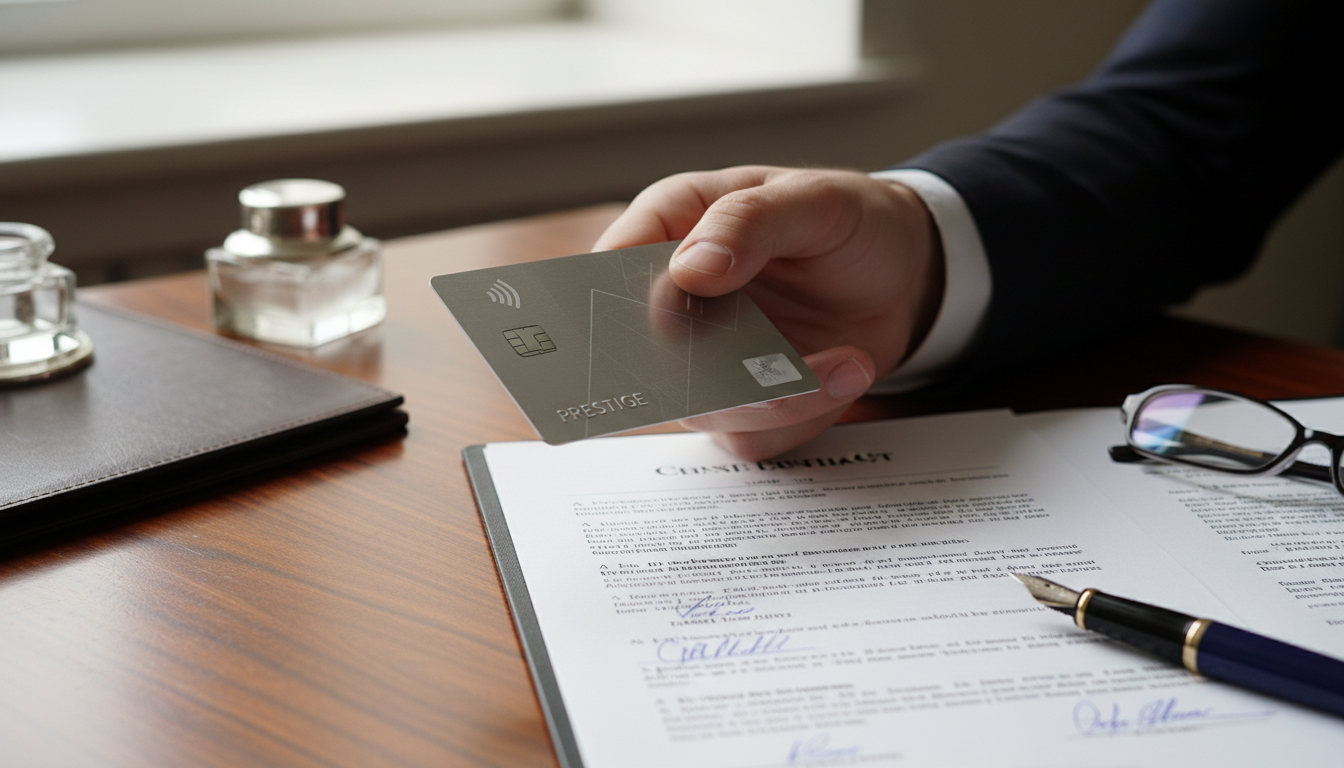
    A high-end, close-up shot of a business person's hand holding a sleek metal business credit card over a mahogany desk, with a professional British business contract and a fountain pen nearby, soft natural lighting, high detail

    Step 4: Register for Taxes

    Once your company is up and running, you must tell HM Revenue and Customs (HMRC). You will need to register for Corporation Tax within three months of starting to trade. If you expect your annual turnover to be more than £90,000, you also need to register for VAT. It sounds like a lot, but staying organized from day one will make your life much easier when the tax season rolls around.

    Ready to Launch?

    The UK is a fantastic place to grow a brand. Now that you know how to open a company in UK as an expat, the only thing left to do is take that first step. Whether you are aiming for the tech hubs of London or the creative blocks of Manchester, your entrepreneurial journey starts with a single registration. Good luck!

  • Your Easy Guide: How Expats Can Start a Business in UK Like a Pro

    Ready to Be Your Own Boss in Britain?

    So, you have made the move to the UK and now you are thinking about launching that startup you have been dreaming about? Good on you! Figuring out how expats can start a business in UK might seem like a maze at first, but honestly, it is one of the most entrepreneur-friendly places in the world. Whether you are planning to open a cozy cafe in London or a tech firm in Manchester, we have got your back.

    [IMAGE_PROMPT: A diverse group of young entrepreneurs in a bright, modern London co-working space, high-quality photography, sunlight streaming through large windows, urban city view in the background, professional yet relaxed atmosphere.]

    First Things First: Check Your Visa Status

    Before you get into the fun stuff like logos and branding, you need to make sure you have the legal right to work and run a company. When looking at how expats can start a business in UK, the visa is your golden ticket. The most common routes include the Innovator Founder visa or the High Potential Individual (HPI) visa. If you already have Indefinite Leave to Remain (ILR) or a family-based visa, you are pretty much good to go! Always double-check the latest Home Office guidelines because rules can change faster than the British weather.

    Pick Your Business Structure

    The UK offers a few ways to set up shop. The path you choose affects how you pay taxes and your personal liability. Here are the most popular options for entrepreneurs:

    • Sole Trader: This is the easiest way to start. You are the business, meaning you keep all profits after tax, but you are also personally responsible for any losses.
    • Limited Company: Your business is a separate legal entity. It is great for tax efficiency and protecting your personal assets, but it involves more paperwork and reporting.
    • Partnership: Perfect if you are teaming up with a buddy to share the responsibilities and profits.

    [IMAGE_PROMPT: A close-up of a professional person signing official business registration documents on a wooden desk, soft natural lighting, realistic textures, business casual attire, with a laptop and a cup of tea nearby.]

    Registering with Companies House

    If you decide to go the Limited Company route, you will need to register with Companies House. It is a surprisingly quick digital process and usually costs under £50. Once you are registered, you will get a Certificate of Incorporation. This is a huge milestone in how expats can start a business in UK because it officially puts your company on the map! You will also need a registered office address, which can be your home or a dedicated office space.

    Sorting Out Your Taxes and Banking

    No one loves taxes, but they are a part of the game. You will need to register for Corporation Tax within three months of starting your business. Also, don’t forget to set up a dedicated business bank account. While some traditional high-street banks can be a bit picky with newcomers, digital banks like Monzo, Revolut Business, or Tide are often much faster and friendlier for expats just starting out.

    Final Thoughts

    Starting a journey in a new country is an incredible adventure. By following these steps on how expats can start a business in UK, you are setting yourself up for long-term success. Just take it one step at a time, stay organized with your records, and do not be afraid to reach out to local business networks for support. Cheers to your new venture!