
Category: Expat Life

  • How to Open a Company in UK as an Expat: A Simple Guide to Getting Started

    How to Open a Company in UK as an Expat: A Simple Guide to Getting Started

    Starting Your British Journey

    So, you have a killer business idea and you want to bring it to the Land of Hope and Glory? That is awesome! Knowing how to open a company in UK as an expat might seem like a daunting task with all the paperwork and legal jargon, but honestly, it is way simpler than you might think. Whether you are living in London or still planning your move from abroad, the UK offers a super friendly environment for entrepreneurs from all over the world.

    Step 1: Choose Your Business Structure

    First things first, you need to decide how you want to run things. Most expats go for a Private Limited Company because it keeps your personal finances separate from your business. This is great for protecting your assets! Alternatively, you could register as a Sole Trader if you are working alone, though this means you are personally responsible for any business debts. If you are looking for the most professional image, a limited company is usually the way to go when figuring out how to open a company in UK as an expat.

    A diverse young professional entrepreneur sitting in a bright, modern London co-working space, looking focused while working on a silver laptop, with a blurred view of the Gherkin building in the background, photorealistic style, 8k resolution

    Step 2: Register with Companies House

    This is where it gets official. To register a limited company, you will need to deal with Companies House. The cool part? You do not actually have to be a UK resident to be a director. However, you do need a UK registered office address. If you are not living in the UK yet, many service providers offer virtual office addresses that you can use for this exact purpose. During registration, you will need to provide:

    • A unique name for your company that isn’t already taken.
    • At least one director (that is you!).
    • At least one shareholder.
    • Articles of Association, which are basically the rules of how the company is run.

    Step 3: Handling Visas and Banking

    While anyone can technically own a UK company, actually working there is a different story. You will likely need a visa, such as the Innovator Founder visa or a Skilled Worker visa, if you plan to manage your business from within the UK. Another hurdle when learning how to open a company in UK as an expat is the bank account. Traditional high-street banks can be a bit strict with non-residents, so many founders look into digital-first banks like Tide, Monzo, or Revolut Business which are often much more expat-friendly.
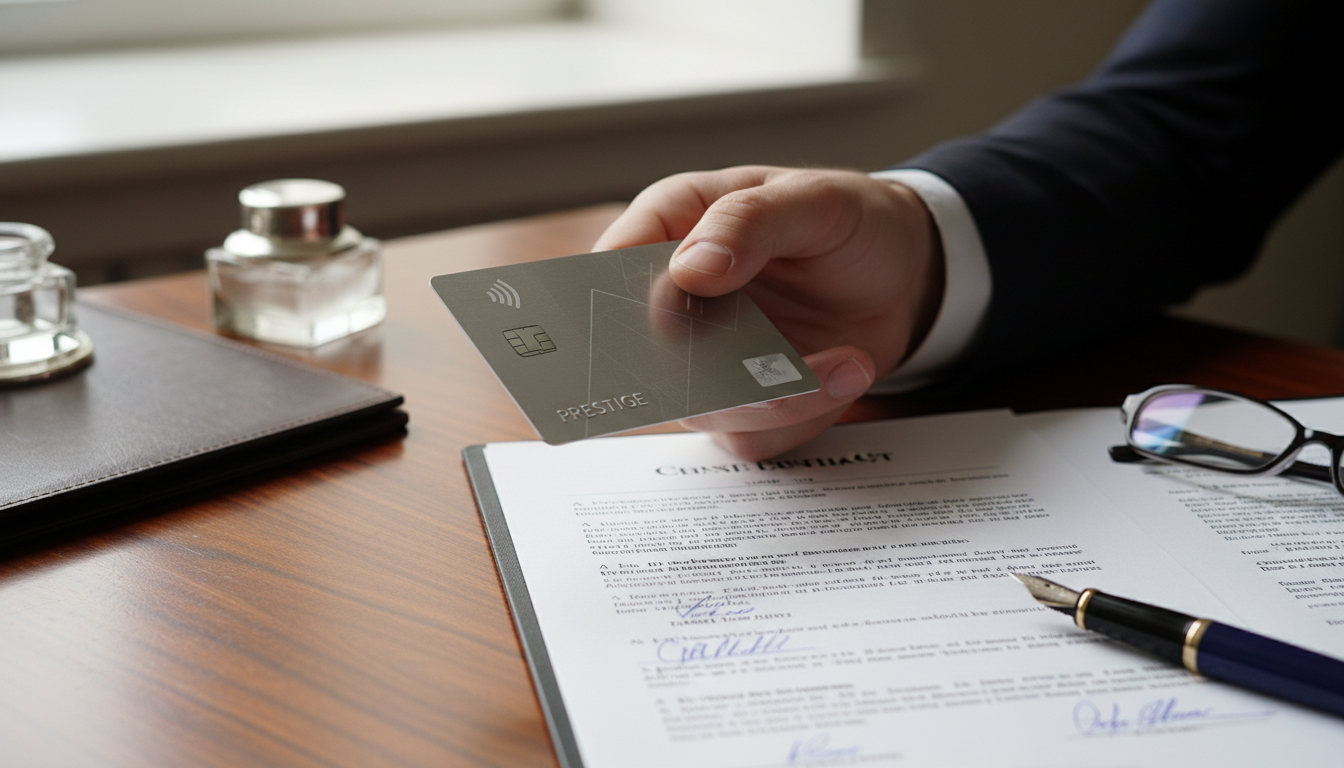
    A high-end, close-up shot of a business person's hand holding a sleek metal business credit card over a mahogany desk, with a professional British business contract and a fountain pen nearby, soft natural lighting, high detail

    Step 4: Register for Taxes

    Once your company is up and running, you must tell HM Revenue and Customs (HMRC). You will need to register for Corporation Tax within three months of starting to trade. If you expect your annual turnover to be more than £90,000, you also need to register for VAT. It sounds like a lot, but staying organized from day one will make your life much easier when the tax season rolls around.

    Ready to Launch?

    The UK is a fantastic place to grow a brand. Now that you know how to open a company in UK as an expat, the only thing left to do is take that first step. Whether you are aiming for the tech hubs of London or the creative blocks of Manchester, your entrepreneurial journey starts with a single registration. Good luck!

  • How to Start Your Dream Venture: A UK Business Setup Guide for Expats

    Welcome to the Entrepreneurial Journey in the UK

    So, you have moved to the United Kingdom and you are ready to turn that big idea into a reality? That is awesome! Setting up a shop in a new country can feel a bit like learning a new language, but do not worry. This UK business setup guide for expats is here to help you navigate the process with ease and a bit of a smile. The UK is known for being one of the most business-friendly countries in the world, making it a perfect spot for your next adventure.

    [IMAGE_PROMPT: A diverse group of young entrepreneurs sitting in a bright, modern co-working space in London, laughing while looking at a laptop, high quality, photorealistic, cinematic lighting]

    Picking Your Perfect Business Structure

    Before you dive into the paperwork, you need to decide what kind of business you are running. Most expats choose between being a Sole Trader or a Limited Company. Being a sole trader is simpler and has less paperwork, but you are personally responsible for any debts. A limited company keeps your personal assets safe but involves a few more reporting hoops to jump through. Choosing the right legal entity is a crucial part of any UK business setup guide for expats because it affects your taxes and legal liabilities.

    Step-by-Step Registration Process

    Once you have picked your path, it is time to make it official. Following a clear UK business setup guide for expats involves registering with Companies House if you go the limited company route. You will need a unique business name, a physical address in the UK, and at least one director. Here is a quick checklist to get you started:

    • Register with HMRC for tax purposes immediately.
    • Apply for a National Insurance number if you do not have one yet.
    • Double-check if your visa allows you to run a business (this is super important!).
    • Choose a business name that is not already taken by another brand.

    [IMAGE_PROMPT: A flat lay of a stylish wooden desk with a British passport, a laptop, a cup of Earl Grey tea, and a notebook with the words ‘Business Plan’ written on it, clean and professional look, photorealistic]

    Setting Up Your Finances

    You cannot really run a business without a place to put the money, right? Opening a UK business bank account can be a bit tricky for expats because of credit history checks and residency requirements. However, many modern digital banks and fintech platforms are very expat-friendly and can get you set up in minutes via a mobile app. This is a vital step in your UK business setup guide for expats to ensure you keep your personal and business finances separate.

    Staying on the Right Side of the Law

    Finally, let’s talk about the ‘T’ word: Taxes. Depending on your annual turnover, you might need to register for VAT. Keeping good records is the secret to a stress-free life as a business owner in Britain. Most expats find that hiring a local accountant or using cloud-based accounting software saves a lot of headaches during tax season. This UK business setup guide for expats recommends keeping track of every receipt and invoice from day one.

    The UK is a fantastic place to grow a business, offering a huge market and plenty of networking opportunities. With a bit of planning and the right mindset, you will be well on your way to success in the British market. Good luck with your new venture!

  • The Ultimate Expat Guide to Starting a Business in UK: Turn Your Vision into Reality

    Why Choose the UK for Your Startup?

    So, you’re thinking about taking the plunge and launching your dream venture in the Land of Hope and Glory? Honestly, it is a fantastic choice! The British market is vibrant, diverse, and incredibly welcoming to international talent. This Expat guide to starting a business in UK is designed to help you navigate the process without the usual headaches, keeping things simple and straightforward.

    The UK consistently ranks as one of the best places globally to do business thanks to its robust legal system, competitive tax rates, and access to a massive pool of skilled workers. Whether you are eyeing a trendy cafe in Shoreditch or a tech startup in Manchester, the opportunities are endless if you know the right steps to take.

    Understanding Your Visa Options

    Before you start picking out office furniture, you need to make sure you have the right to work and run a business in the country. This is a crucial first step in any Expat guide to starting a business in UK. Depending on your nationality and the scale of your investment, you might look into the Innovator Founder visa, the High Potential Individual visa, or perhaps a Global Talent visa.

    Always check the latest UK Home Office guidelines as rules can shift. Once your legal status is sorted, you are officially on your way to becoming a British-based entrepreneur.

    [IMAGE_PROMPT: A diverse group of young entrepreneurs sitting around a rustic wooden table in a bright, modern London co-working space, with Big Ben visible through a large window in the background, photorealistic style, 8k resolution.]

    Choosing the Right Business Structure

    Deciding how to structure your business is a big deal. Most expats choose between being a Sole Trader or setting up a Limited Company. Here is a quick breakdown to help you decide:

    • Sole Trader: The simplest way to start. You are the business, meaning you keep all profits but are personally liable for any losses.
    • Limited Company: The business is a separate legal entity. This offers more protection for your personal assets and can be more tax-efficient once you start earning significant revenue.
    • Partnership: Great if you are teaming up with a buddy to share the responsibilities and profits.

    Registering with Companies House

    If you choose to form a Limited Company, you will need to register with Companies House. It is a surprisingly quick online process that costs very little. You will need a unique business name, an address, and at least one director and shareholder.

    Opening a Business Bank Account

    Trust us, you do not want to mix your personal grocery spending with your business revenue. Opening a dedicated UK business bank account is essential for clear bookkeeping and professional credibility. Many high-street banks and modern digital banks like Monzo or Revolut Business offer excellent packages tailored for startups and expats.

    [IMAGE_PROMPT: A close-up shot of a professional hand holding a sleek black business credit card over a modern laptop in a sunlit home office, soft bokeh background, high-end commercial photography.]

    Tax and Compliance: Staying on the Right Side of HMRC

    No Expat guide to starting a business in UK would be complete without mentioning taxes. You will need to register with HM Revenue and Customs (HMRC). As a business owner, you will likely deal with:

    • Corporation Tax: Paid on your company’s profits.
    • Value Added Tax (VAT): You must register if your annual turnover exceeds £90,000, though some choose to register voluntarily.
    • Income Tax and National Insurance: How you pay yourself as a director or sole trader.

    Final Thoughts for the Aspiring Expat Entrepreneur

    Starting a business in a new country is an adventure. While the paperwork might seem daunting at first, the UK system is actually one of the most streamlined in the world. By following this Expat guide to starting a business in UK, staying organized, and perhaps hiring a local accountant, you will be well on your way to success. Good luck, and welcome to the British business community!